Summer camps play a vital role in the development of children, offering a unique combination of fun, adventure, and learning. For many kids, summer camp becomes a cherished part of their childhood, providing an opportunity to make new friends, develop valuable life skills, and experience activities they might not encounter during the school year. These camps help children grow emotionally, socially, and mentally in ways that can last a lifetime.
In the United States, summer camps have a significant presence. There are over 12,000 summer camps across the country, with more than 26 million children participating in camp activities each year. These camps come in various forms, from traditional overnight camps to day camps that focus on specific interests, such as sports, the arts, or STEM. A report by the American Camp Association (ACA) reveals that 75% of campers return to the same camp each year, highlighting the strong emotional connection children develop with their camp experiences.
Summer camps are beneficial for children in many ways. First, they provide a break from the daily routine, allowing kids to unplug from technology and engage in outdoor activities that promote physical fitness. Whether it’s swimming, hiking, or playing team sports, kids are encouraged to stay active and healthy. Camps also foster independence by encouraging kids to step out of their comfort zones, whether they’re learning new skills, making decisions without their parents, or simply spending time away from home. This sense of independence is crucial in developing self-confidence and resilience.
Socially, summer camps offer an environment where children from diverse backgrounds can interact, collaborate, and build lasting friendships. In fact, studies show that campers often experience improved communication and teamwork skills, which help them in future group settings such as school and extracurricular activities. Additionally, the camps provide kids with opportunities to develop leadership skills. Many camps offer specialized programs where older campers can mentor younger ones, giving them a chance to practice responsibility and guidance.
Furthermore, summer camps provide children with the chance to explore new interests and talents. Many camps offer activities that children may not otherwise have access to, such as rock climbing, sailing, or theater production. This exposure can spark a lifelong passion or help children discover new strengths.
In conclusion, summer camps are more than just a place for kids to have fun. They serve as important developmental experiences that offer physical, emotional, and social benefits. With a wide variety of camps available, kids are able to find the right fit for their interests and personalities, ensuring they not only have a memorable summer but also gain essential skills that will help them throughout their lives.

At Junior Lifeguards Camp, campers learn key water safety techniques and basic first aid in a supportive environment that encourages teamwork and confidence-building. Every lesson is designed to empower campers with skills they can carry for a lifetime.
Our camp is filled with fun water play activities that keep campers active, smiling, and connected. Each activity is crafted to bring joy while reinforcing teamwork and water safety awareness.
Every day, campers get to experience the excitement of the waterslides at Wild Rivers, making a splash and creating memories they’ll never forget. It’s always a favorite part of the day!
For those who want even more fun, our optional Extended Care Stay & Play program keeps the excitement going until 5:00 PM. With additional activities and time to bond with friends, it’s the perfect way to make the day extra special.

Youth Football Camps
Each day will include football fundamental drills covering different positions, followed by flag football games where players can put those new skills to use for kids 4 to 14

Players will receive instruction from experienced, professional coaches, with age appropriate drills in an approximate 10-1 player to coach ratio. Campers will receive a t-shirt, and there will be daily prizes and awards.
Females in Flag

Youth Football Camps
Looking for a fun way to stay active and learn a new sport this summer? Register for the Females in Flag girls flag football summer camp, and join one of the fastest growing sports in the country.
The camp is for players of all skill levels, and is designed to teach girls the fundamentals of flag football in a supportive and encouraging environment.
Tstreetvolleyball
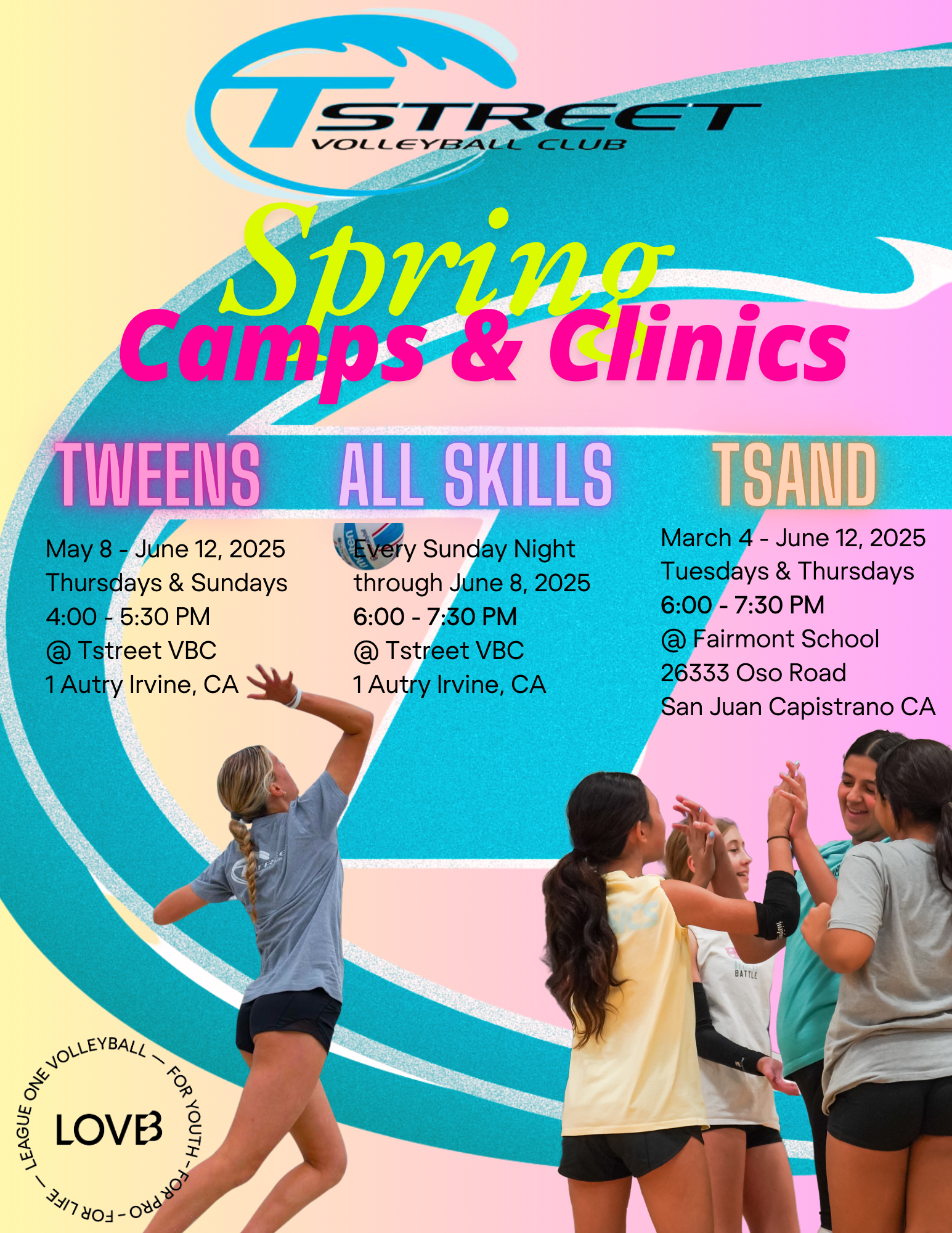
Register Now! Spring camps and clinics (introductory to intermediate level) are open for registration for participants ages 8 – 14, and no experience or tryout is required! All club affiliations welcome.
Spring Tweens
Our Tweens Teams practice two times a week on Thursdays and Sundays for an hour and a half. Each participant receives a T-shirt and will compete in inner club scrimmages. Tweens is an introductory program, but practices are serious and participants are expected to work hard, improve and have a great time. There are no tryouts for Tweens; all interested girls will be placed on a team on a “first-come, first-serve basis”. The program is open to girls 9 to 14 year old girls. There are three categories of teams: 10U, 12U and 14U.
Dates: Thursdays and Sundays May 8 – June 12, 2025
Times: 4:00 – 5:30 PM
Cost: $495.00
New to Volleyball? Join us every Sunday evening from 6:00 – 7:30 PM! Weekly training sessions that emphasize all volleyball skills. Accomplished coaches demonstrate proper movement patterns and mechanics of volleyball and then provide participants with countless repetitions and feedback. The clinics are fun, but the setting is serious — kids get better in a hurry. Girls ages 8 – 14 and Boys ages 8 – 12 are welcome! Passes available for a discounted price!
Dates: Sundays now through June 8, 2025
Join us on the Sand at the OC Great Park! Whether you’re new to beach or want to get some good reps to improve your game, we have a place for you!
Dates: Fridays May 2 – June 6, 2025
Times: 6:00 – 7:30 PM
Cost: $30 / session
Spring Tsand @ Fairmont San Juan Capistrano
Join us on the Sand at Fairmont San Juan Capistrano for clinics Tuesdays and Thursdays! Whether you’re new to beach or want to get some good reps to improve your game, we have a place for you!
Dates: Tuesdays and Thursdays March 4 – June 12, 2025
Times: 6:00 – 7:30 PM
Cost: $30 / session
Times: 6:00 – 7:30 PM
Cost: $45 per session
Camp Galileo
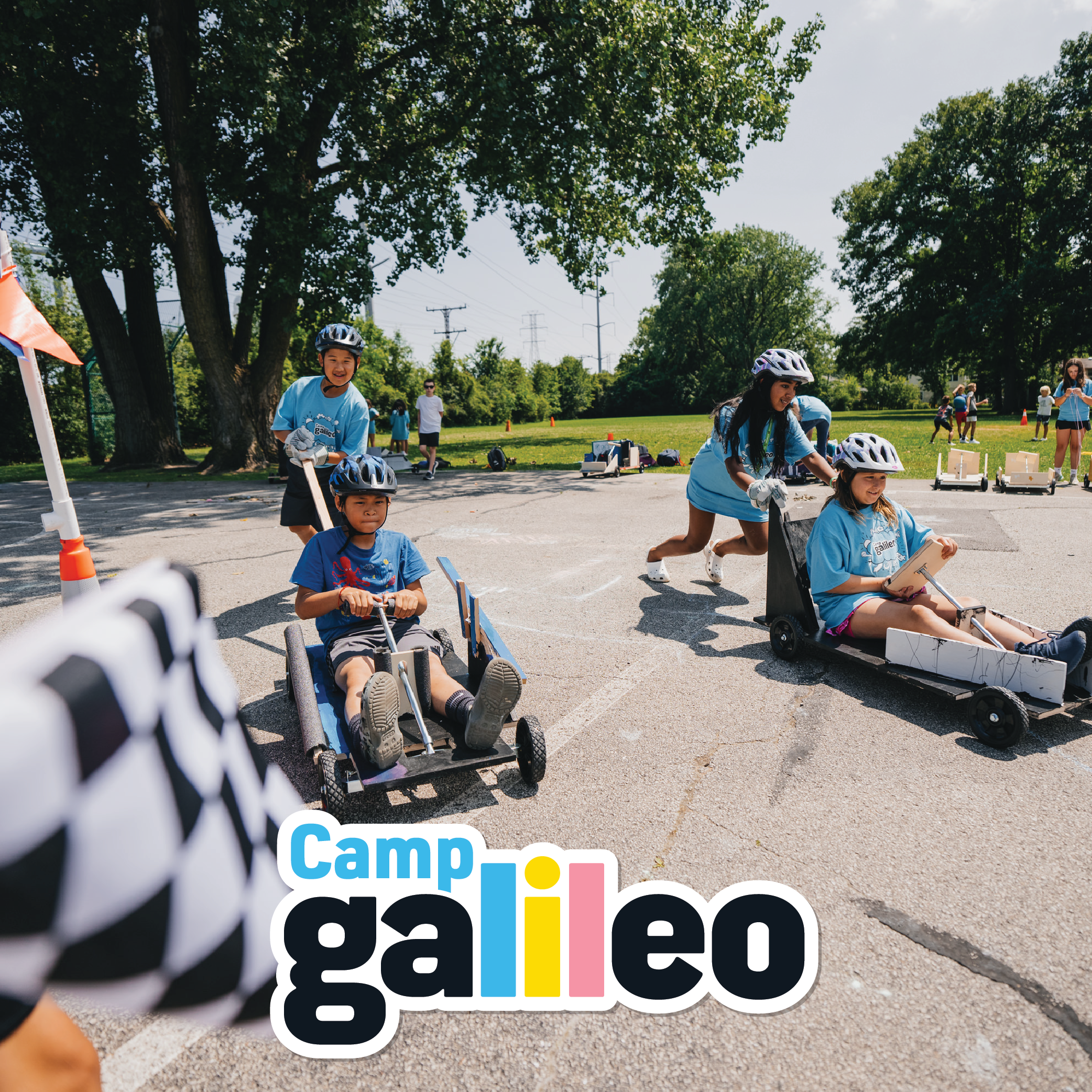
Get ready for an unforgettable summer at Camp Galileo, filled with engaging K-8th STEAM projects, collaborative design challenges and classic camp fun at 4 Orange County Locations!
What’s Camp Galileo all about?
- Simple scheduling: Weekly sessions, 9am-3pm camp day and AM & PM extended care options
- Summer Fun: Water days, fun machines, rubber chicken cheers, skits, songs and more!
- Spectacular Staff: Our experienced staffers facilitate friendships and make camp magic
- Convenient Locations:
- Irvine: Eastshore Elementary School
- Irvine: Northwood Elementary School
- Laguna Niguel: Orange County Academy of Sciences and Arts (OCASA)
- Newport Beach: Tarbut V’Torah Community Day School
Here’s what parents have said about their Camp Galileo experiences:
- “My kids LOVED their week at Camp Galileo and in fact asked that I sign them up for MORE weeks next year. Thanks for an incredible experience!”
- “My daughter was happy each day as she had something new to look forward to. We really liked that she learned something new each week.”
- “Our son couldn’t wait to get there each morning—he had an absolute BLAST.”
Use the code GALLMN40 to save $40 per week*. Scholarship information and applications are available through our Innovation for All Program and backup care enrollments accepted through top providers.
*Valid for the 2025 camp season where space is available. Applicable on future purchases only and may not be retroactively applied. Multi-session discounts will apply to additional weeks purchased for the same camper. Standard cancellation policy applies.
https://galileo-camps.com/camp-galileo/ https://youtu.be/NdrsJwML7Fw?list=TLGGOBJI4bEh7K8wOTAzMjAyNQ
Waterworks Aquatics

Waterworks Aquatics invites children ages 5 to 14 to enroll in our Irvine Summer Swim Camps. These weekly camps are held in our heated, outdoor pool at our Irvine facility throughout the summer.
Students will work with qualified instructors to hone their technical swimming skills. Our team will provide a fun and engaging learning environment while focusing on improving technique and speed. Our swim camp Instructor will focus on the four competitive strokes, dives, turns and drills that will improve their technique and build endurance.

Students will also have the opportunity to play games with our pool toys for the last 30-45 minutes at the end of each day. They will also be provided with a snack and beverage daily.
Irvine Summer Swim Camp Dates 2025
Session 1 – June 9 – 13
Session 2 – June 16 – 20
Session 3 – June 23 – 27
Session 4 – June 30 – July 3 (4-day camp – no camp on July 4th)
Session 5 – July 7 – 11
Session 6 – July 14 – 18
Session 7- July 21 – 25
Session 8 – July 28 – August 1
Session 9 – August 4 – 8
Session 10 – August 11 – 15
Camp Times
9:00am – 12:00pm
Prices
$445 per 5-day session
*$356 per 4-day session
$30 late fee may be applied for registrations made within 3 days of the session start date.
Discount Offers
10% discount for siblings
Register for 3 sessions: $75 discount
Register for 6 sessions: $200 discount
Urban Workshop Summer Camps

Shop class for kids, ages 10-16! Urban Workshop’s Youth Program gives your child the opportunity to develop valuable, real-world skills in a fun, hands-on environment. Students explore both traditional hand tools and modern power tools while creating projects they can proudly showcase at home. From STEM concepts to industrial arts, they’ll learn and build amazing projects. Perfect for homeschoolers or students seeking extracurricular activities, this program is the ideal way to spark creativity and practical skills. 1-week camps offered weekly May 5 – August 22, Monday – Friday, 9 a.m. – 4 p.m. $800 per week.
365-A Clinton St., Costa Mesa
(949) 296-2153
Platinum Performing Arts

From singing superheroes and dancing wizards to backstage crafting and mini performances- Platinum Performing Arts has a show stopping summer season of dance and musical theatre camps just for you! Starting June 16 – August 8, each weekly camp focuses on a specific age group and theme so you can find the perfect fit for your performer. With an emphasis on high quality training in a fun and welcoming atmosphere, let your little star shine this summer at Platinum! Grown Up & Me, half day, and full day camp options available. Ages 1-18; price range $95-$375 per week. Enroll online today!
https://www.performplatinum.com
(657) 738-0023
1972 N Tustin, Orange, CA, 92865
Breakthrough Basketball (Irvine)
- Camp Description: Multi-day basketball camps for kids of all ages and skills.
- Website: Summer Camps
- Fun Fact: over 140,000 camp attendees since 2012
American Ninja Warrior Adventure Park (Santa Ana)
- Camp Description: Helps young people stay active over the summer while building confidence through training and education of the popular ninja warrior moves.
- Website: Summer Camps
Fun Fact: Action-packed week of games, crafts and instruction on obstacles!
California Junior Lifeguards
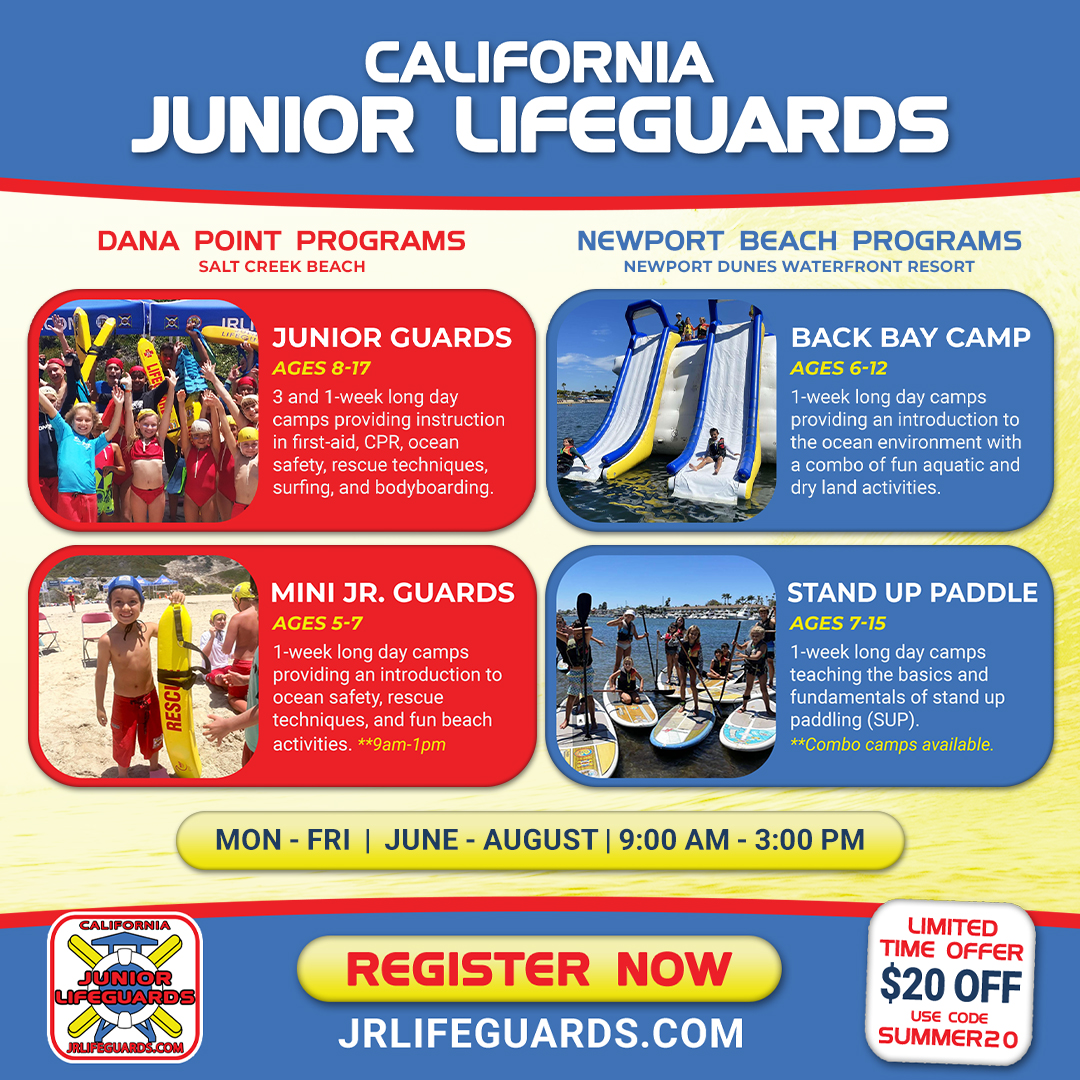
Give Your Child the Best Summer Yet!
California Junior Lifeguards is more than just a camp—it’s a confidence-boosting, skill-building, and FUN summer experience your child will never forget!
Rescue skills, beach games, surfing & more!
June – August | Ages 5+
Locations:
Salt Creek Beach, Dana Point
Newport Dunes, Newport Beach
SPECIAL OFFER: Save $20 when you register with code SUMMER20!
Secure your child’s spot today at JRLIFEGUARDS.COM!
Tustin Dance Center (Tustin)
- Camp Description: Themed choreography, arts and crafts, and creative dance classes.
- Website: Summer Camps
- Fun Fact: Perfect for kids aged 3-7 years.
CodeREV Kids (Irvine)
- Camp Description: Kids of a variety of ages learn to code, mod, game design, and more.
- Website: Summer Camps
- Fun Fact: Camp also includes outdoor activities
Magikid Spring Camp is here!
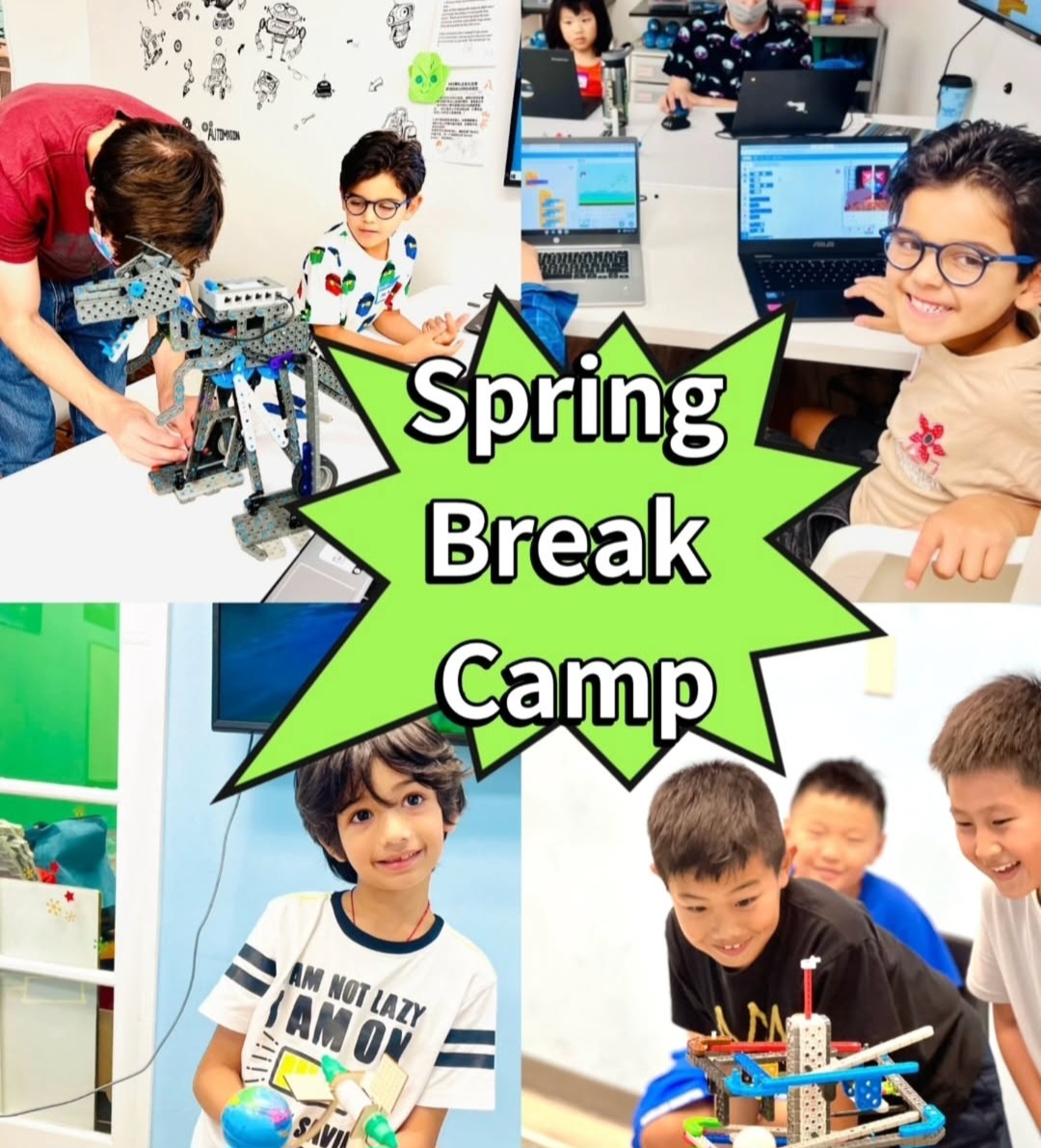
Looking for something fun and educational for your child this spring break?
K-G1: Explore Scratcher to hunt for gold, design traps for little goblins, and dive into the world of programming and robotics! G2-G3: Create 3D Easter eggs, build a VEX GO bunny robot, and let your creativity flow through hands-on fun!
0g G4-G6: Build a Vex Deliver bot, design a Space Paddle Game
, and take on 3D coding challenges – the ultimate spring break adventure!
March 31st to April 4th | 9AM – 3PM
$ Camp Price: $545/week
Registration Link:
Spring Camp : https://form.jotform.com/243646150643152